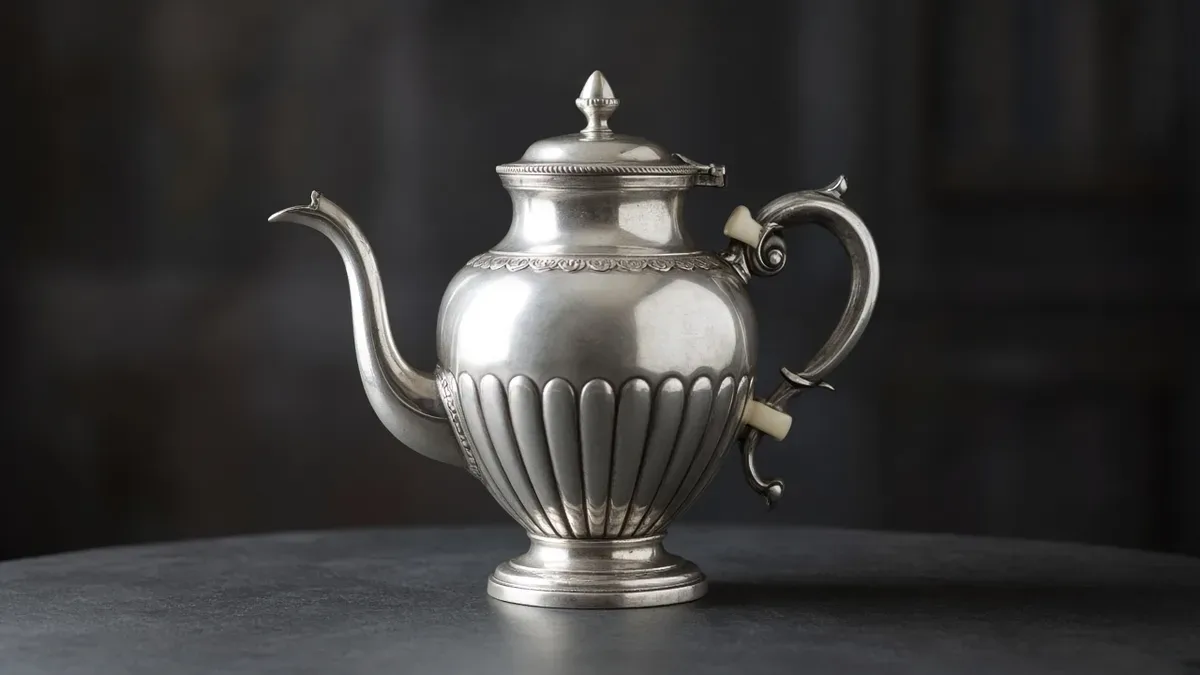
Silver
How to Identify Roman Silver Hallmarks of the Papal States
How to identify antique Roman silver by Papal States assay marks, including 1815 titles, the wolf punch, tiara and keys, and workshop lozenges.

Search the collection
Titles, descriptions and article text — try a maker, mark or material.
Expert guides for international collectors
How to identify antique Roman silver by Papal States assay marks, including 1815 titles, the wolf punch, tiara and keys, and workshop lozenges.
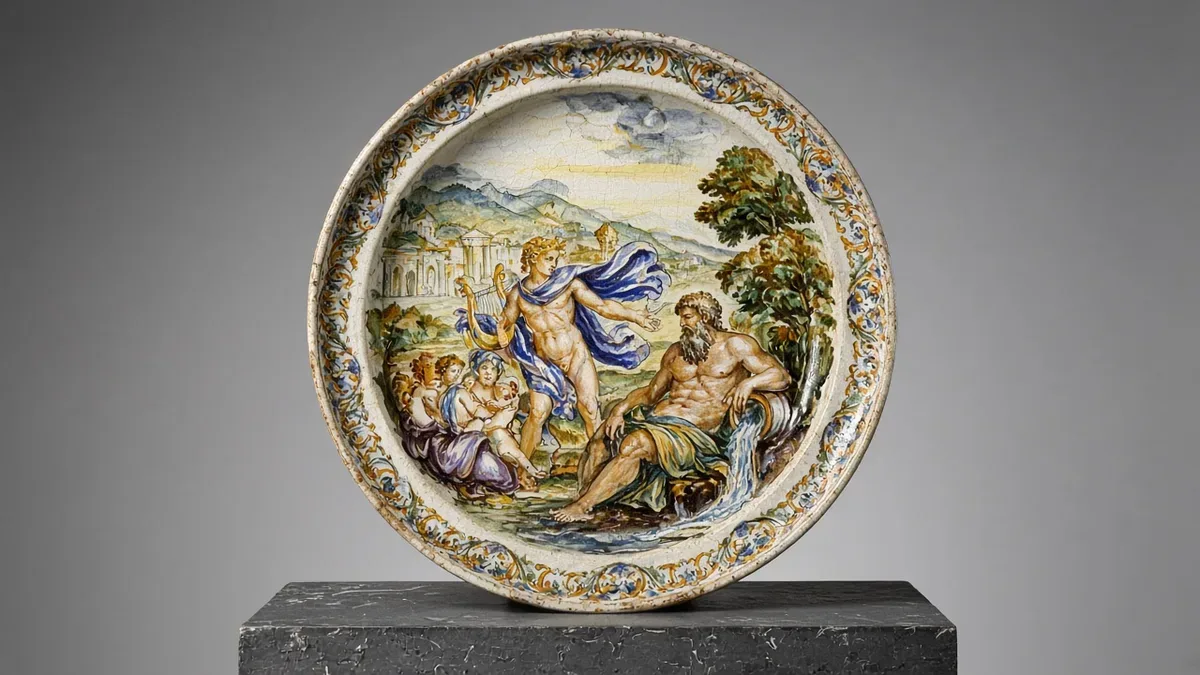
Dating Urbino maiolica by reverse inscriptions, workshop marks, tin-glaze body and istoriato painting. Nicola, Fontana and Patanazzi compared.
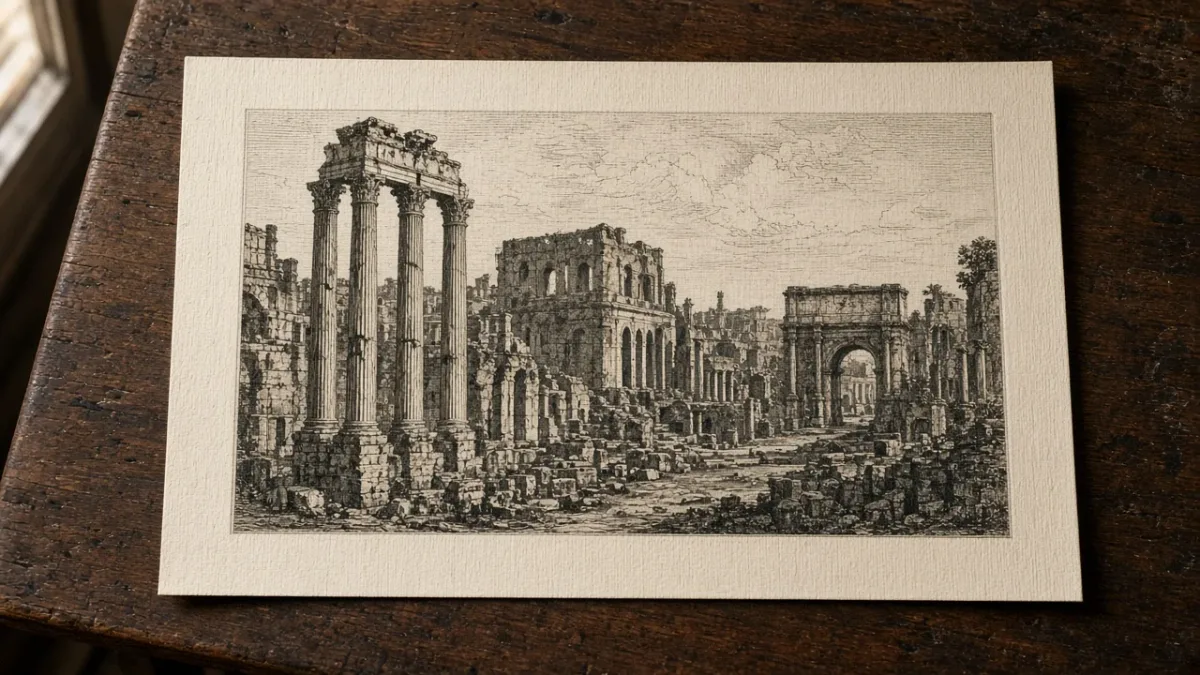
Collectors identify antique Italian engravings by publisher address, plate mark and paper, from De Rossi in Rome to Remondini in Bassano del Grappa.
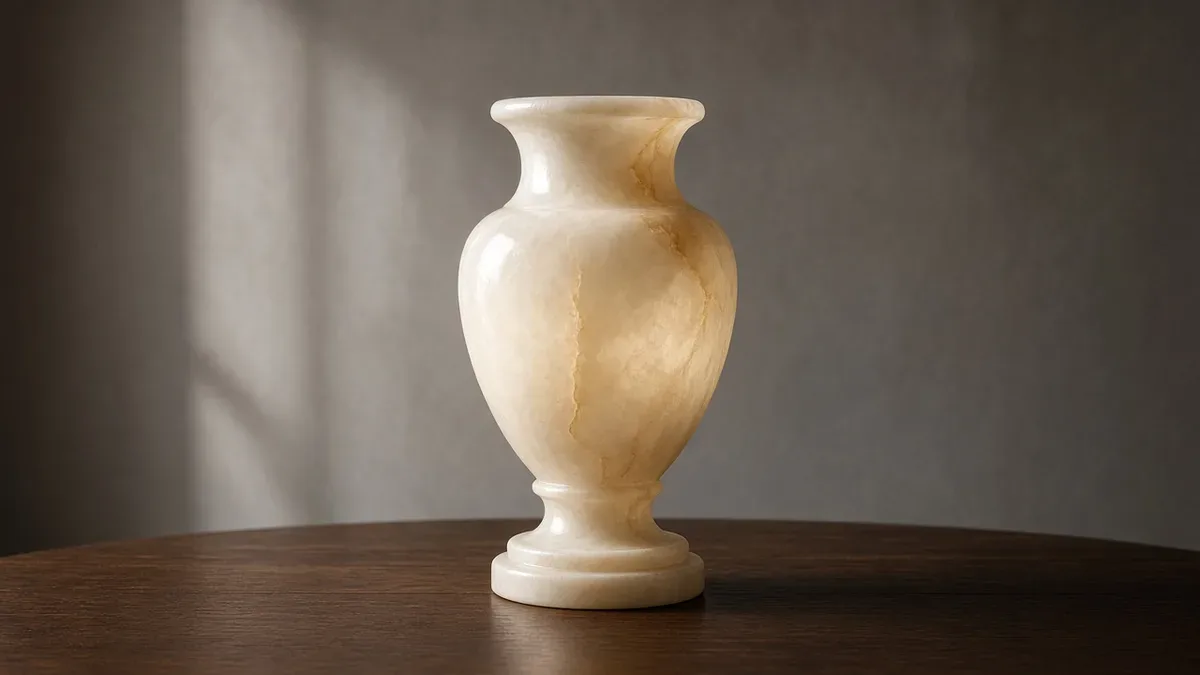
Authentic Volterra alabaster is gypsum from Tuscan nodular beds. Learn how workshop pieces differ from later tourist copies and calcite lookalikes.
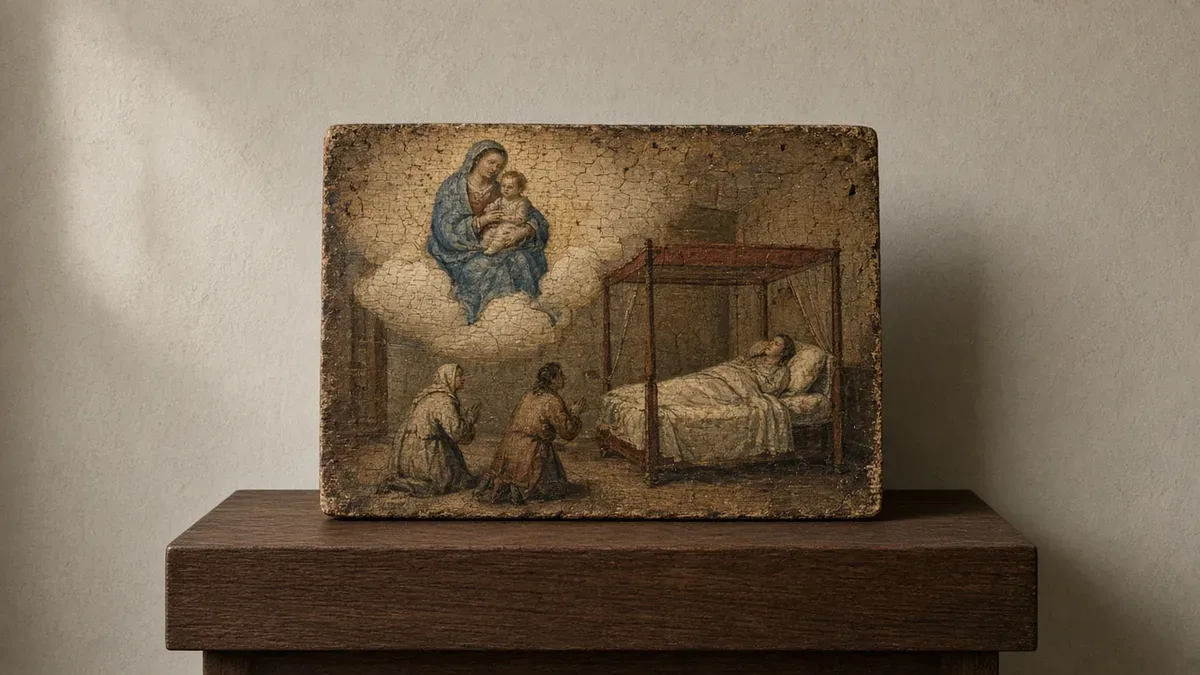
How to identify Italian ex-voto tablets by wood support, tempera or oil, P.G.R. and V.F.G.A. inscriptions, silver hearts, and sanctuary provenance.
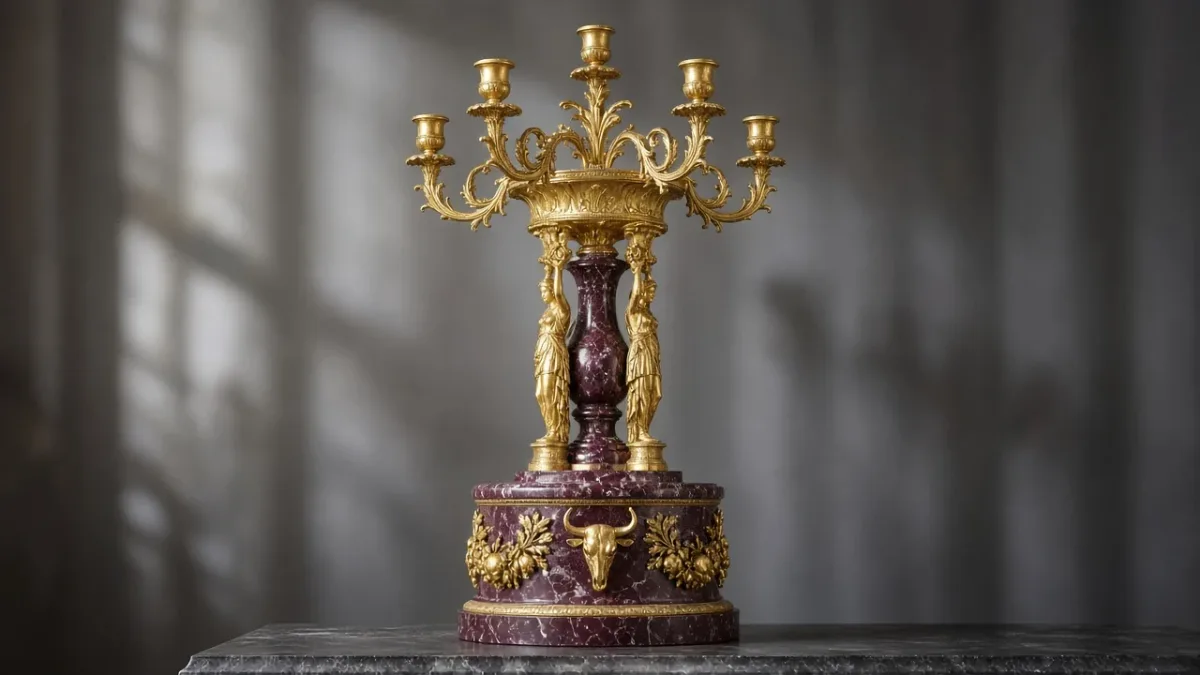
Italian gilt bronze from Rome is identified by Valadier accounts, Righetti signatures, and fire-gilding, not by the hallmarks used on silver.
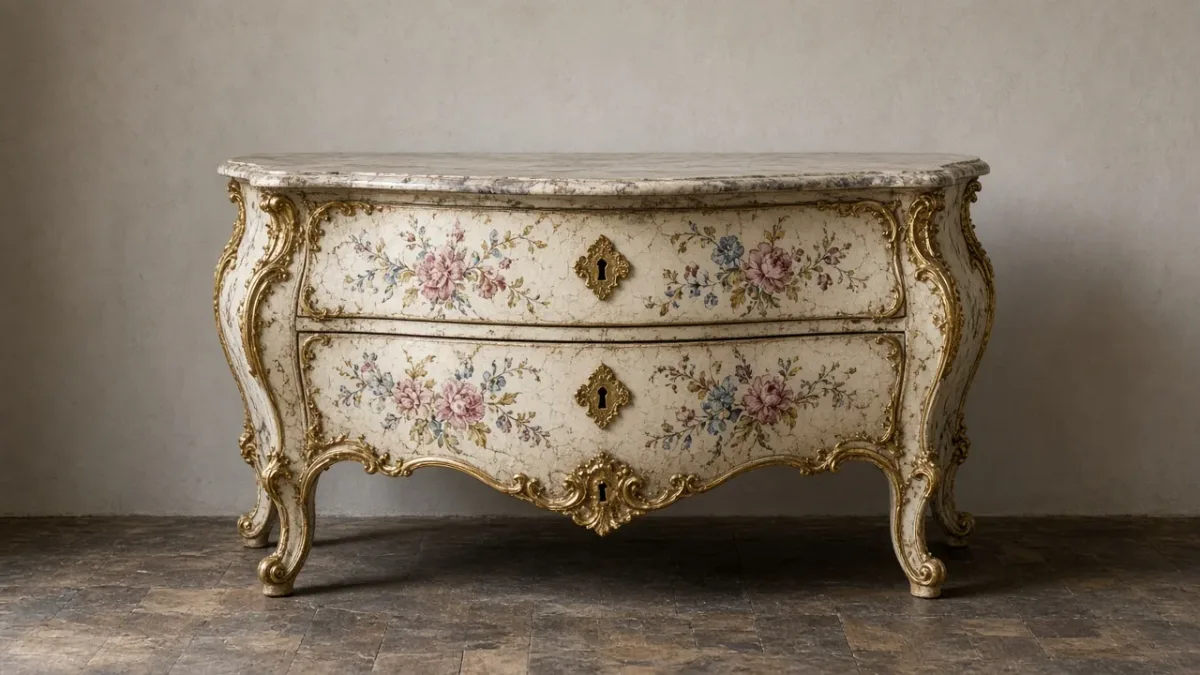
Venetian lacquer furniture of the eighteenth century is dated by sandarac varnish, gesso grounds, and arte povera prints cut from Remondini sheets.
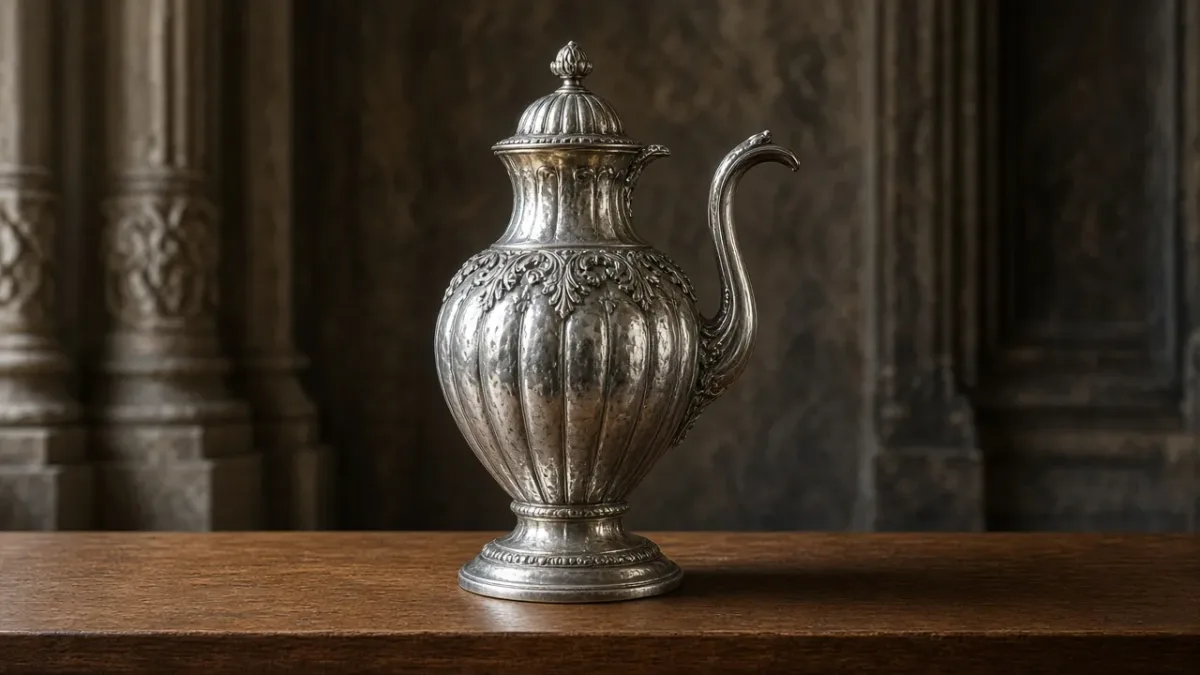
Date Florentine silver by Grand-Ducal assay marks of 1832–1872, the Arte della Seta lion punch, and later FI workshop numbers used after 1934.
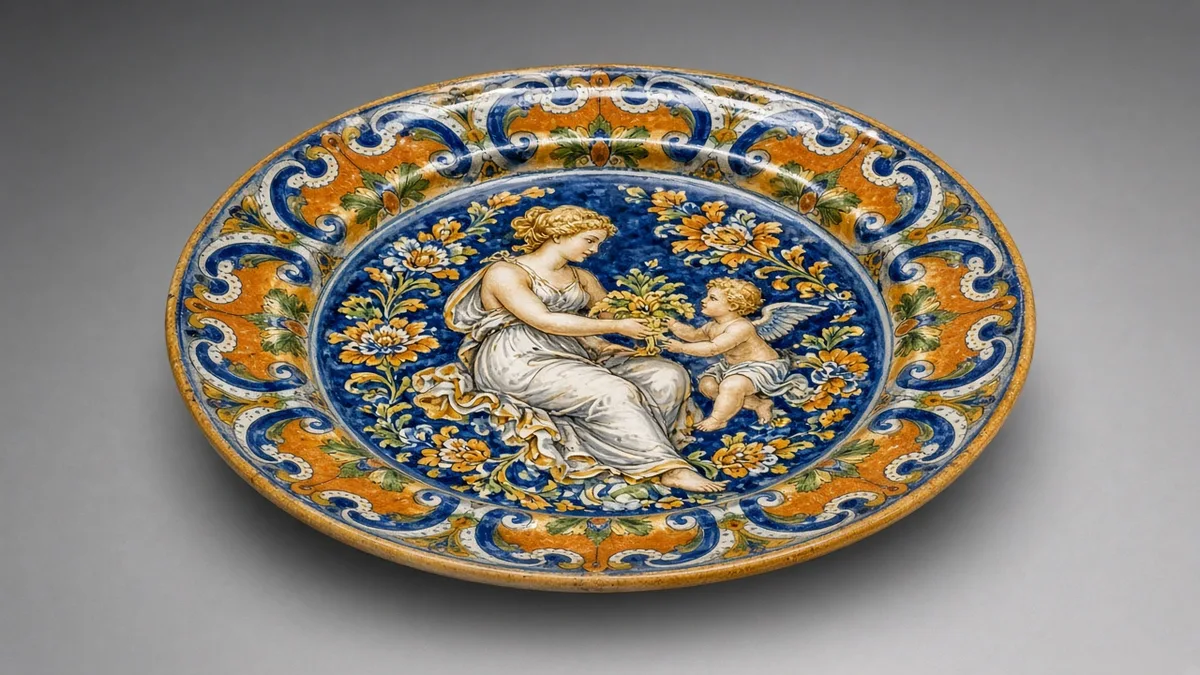
Majolica or maiolica? How collectors should use the terms for Italian tin-glazed earthenware, Faenza’s faïence link, and what Victorian majolica is not.
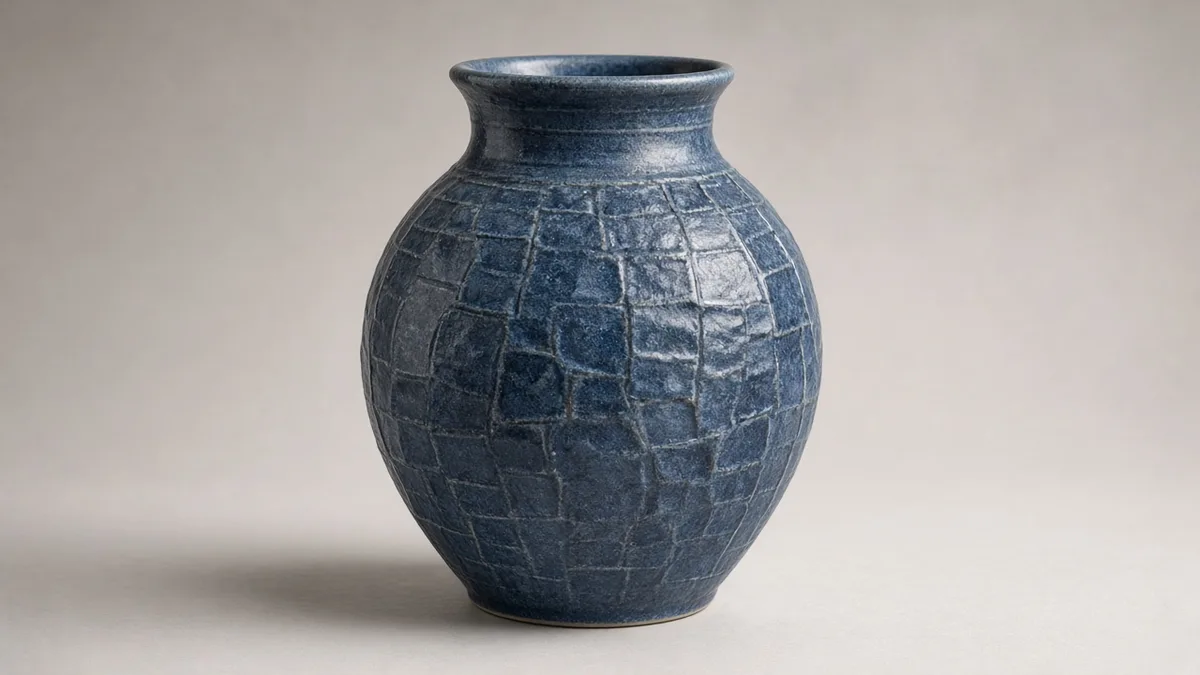
Identify Bitossi ceramics from Montelupo: Guido Bitossi 1921, Aldo Londi’s Rimini Blu from 1959, Sottsass collaboration, and archive clues for collectors.
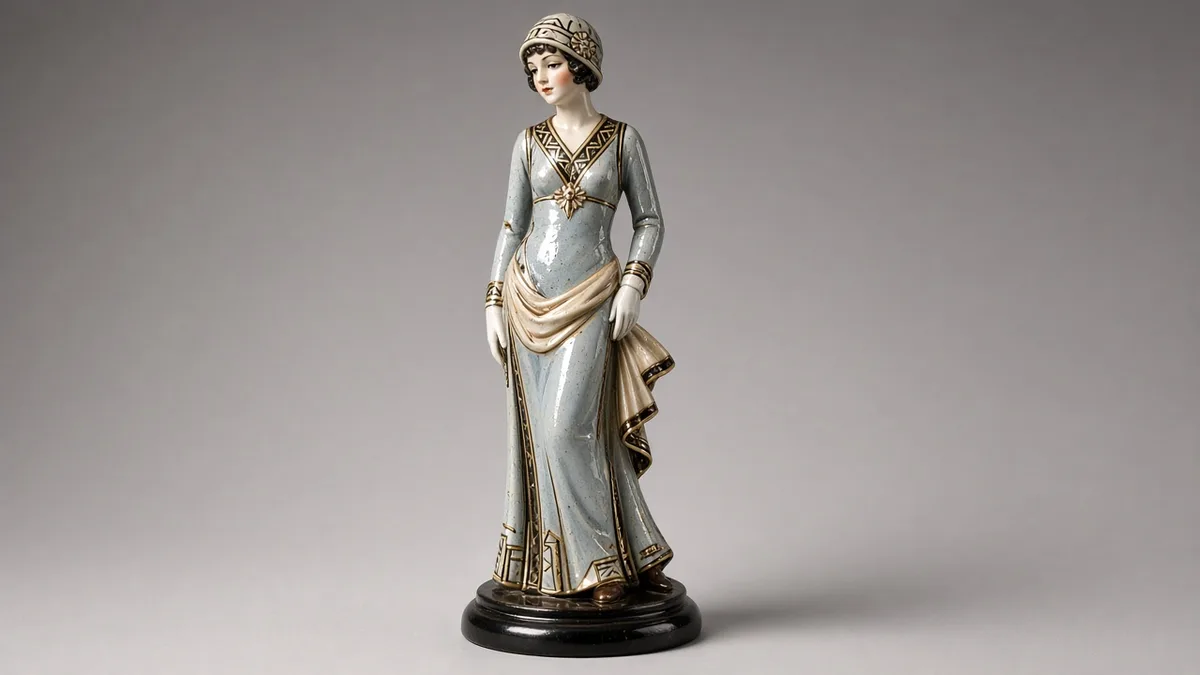
Identify Lenci ceramics from Turin: 1919 founding, 1928–36 Art Deco figurines, artists, marks, and how Musei Reali collections frame authentic pieces.
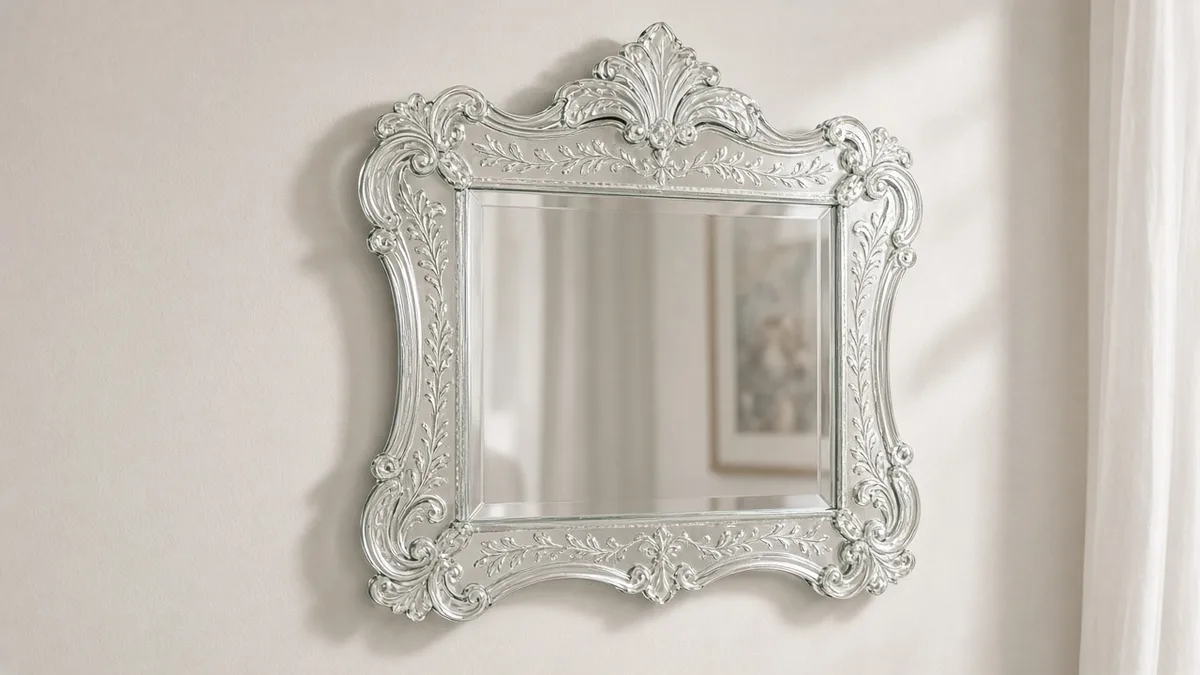
How to identify antique Venetian mirrors: Murano crystal glass, tin-mercury backing, glass frames, and what separates later copies from Venetian work.